Mostrando entradas con la etiqueta ORAL PRACTICE. Mostrar todas las entradas

viernes, 11 de mayo de 2018

2ºESO. SPEAKING EXAM.THE WEATHER


IN PAIRS, GET READY FOR THE SPEAKING EXAM.
YOU WILL BE THE WEATHER MAN/WOMAN FOR A DAY!!

STEP 1. Draw a map of the UK with the most important cities
and put weather symbols on it.
STEP 2. You have to elaborate answers to these questions,
speaking about the weather:
WHAT WAS THE WEATHER LIKE YESTERDAY?
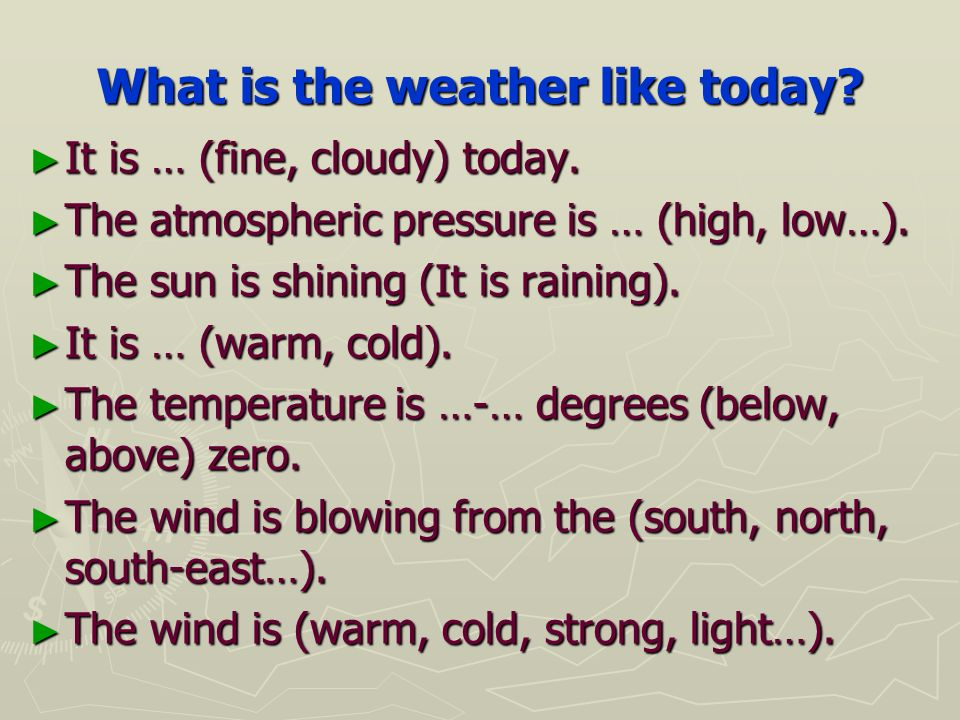
WHAT’S THE WEATHER LIKE TODAY?
WHAT WILL THE WEATHER BE LIKE TOMORROW?

Use the following vocabulary and expressions and textbook on page 50:
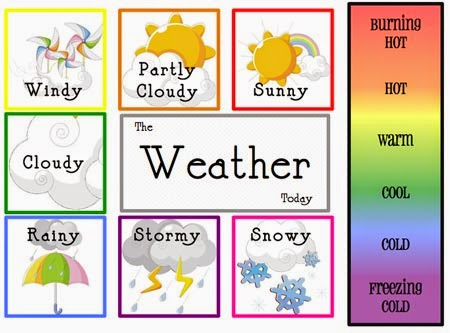
Here you have a text as help
(bear in mind that it’s in the present tense,
and you will also have to talk about the past and the future
if you want higher marks)

Hello everyone! I’m ……..
Welcome to the weather channel!
Here is today’s weather for the British Isles/Uk.
The sun is shining in London (It’s sunny) and the temperature is warm, about 18ºC.
A beautiful sunny day also in the south of England (...)
In Newcastle there is rain (it’s rainy) and perhaps it will snow.
It’s freezing there around -2ºC. (...) I
n Glasgow it is quite sunny today but the wind is blowing very strong.
Be careful with the tornados!
Have a nice day!

miércoles, 31 de enero de 2018

ORAL EXAM, FEBRUARY 2018

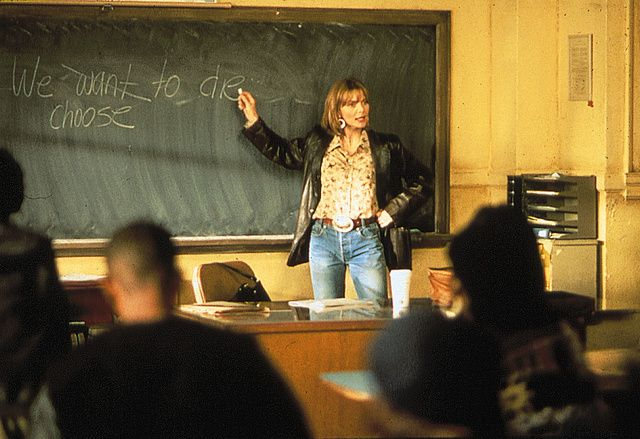
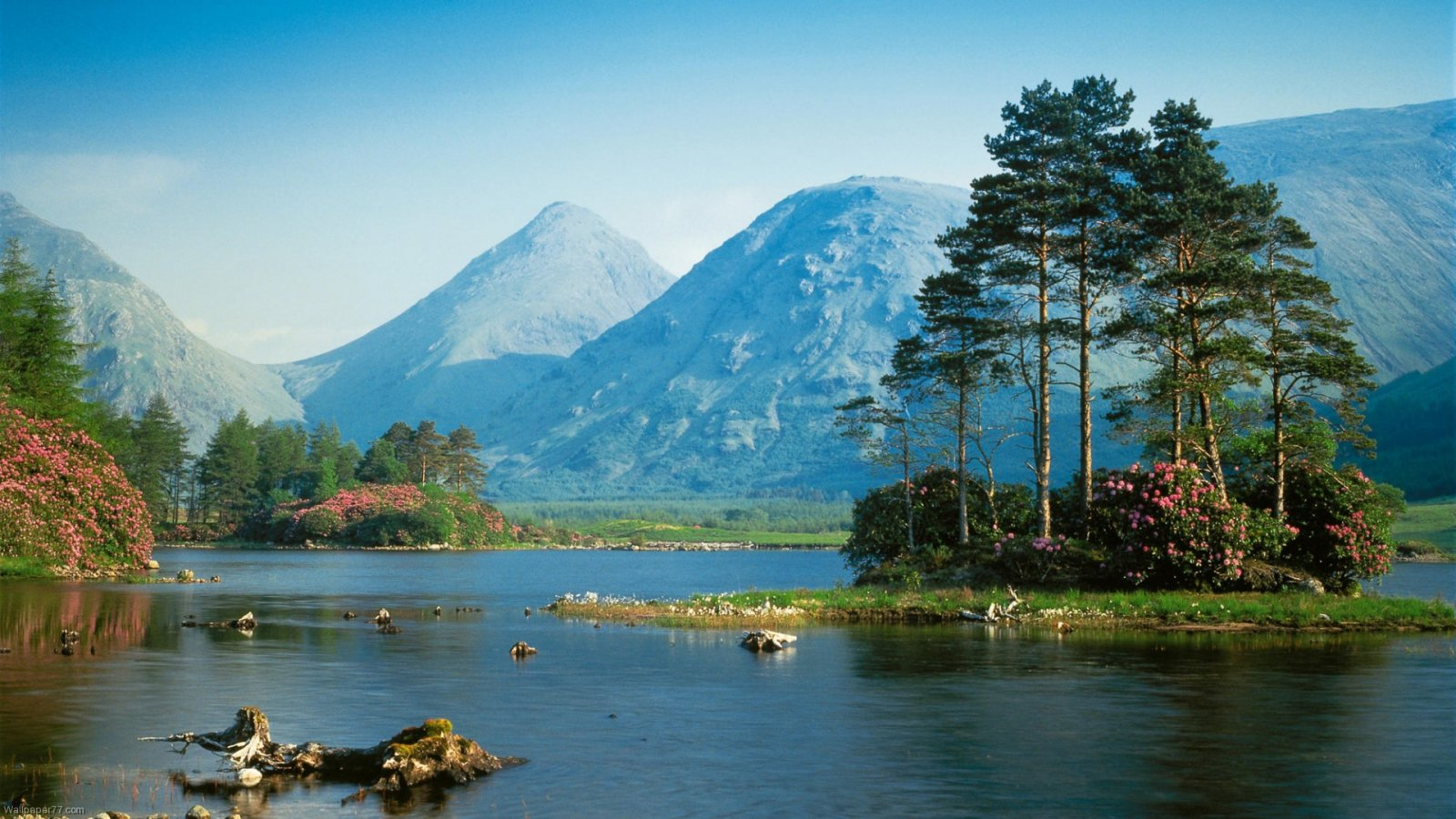
CHOOSE TWO PICTURES AND TALK ABOUT THEM (2 MINUTES MAXIMUM)


DON'T FORGET TO TALK ABOUT:

PEOPLE’S DESCRIPTION: PHYSICAL APPEARANCE. PERSONALITY, HAIRSTYLE, JOB…
PLACES’ DESCRIPTION: IN THE FOREGROUND, IN THE BACKGROUND, ON THE LEFT,
 ON THE RIGHT, AT THE BOTTOM, AT THE TOP, IN THE MIDDLE.


USEFUL EXPRESSIONS:

IN THE PICTURE, YOU CAN SEE…
THERE IS/THERE ARE…
HE/SHE HAS GOT…
HE/SHE IS…
IT SEEMS…
HE/SHE LOOKS…

TIP: WHEN TALKING ABOUT  PICTURES, THE USUAL VERBAL TENSE USED FOR DESCRIBING IS PRESENT CONTINUOUS.


jueves, 1 de diciembre de 2016

Oral exam. 3ºESO.

TALKING ABOUT EXPERIENCES

 Resultado de imagen de have you ever...

In pairs, ask and answer questions about some of your experiences. They can be true sentences about yourself or based on a famous person you admire. Here you can find some ideas:

  • How many countries have you travelled to?
  • What interesting food have you eaten?
  • What famous person have you seen?
  • Where have you lived?
  • What languages have you studied?
  • What dangerous thing have you done?
  • How much money have you spent today?
  • Have you ever seen a ghost?
  • Have you ever cooked a meal for your family?
  • Have you eaten breakfast today? What have you eaten? 
  • Have you ever failed an exam?
  • Have you tried sushi?
  • Have you ever flown on a hot air balloon?

Try to give original and well-structured answers to the questions.


viernes, 18 de marzo de 2016

Where Young Syrian Refugees Sleep. What do you think?

WHAT DO YOU THINK?

DEAR STUDENTS, WHAT DO YOU THINK ABOUT THE SITUATION CONCERNING SYRIAN REFUGEES? WE WILL TALK ABOUT THAT AFTER EASTER HOLIDAYS.

Click on the image to watch the video

ORAL EXAM

TALK ABOUT THE DIFFERENCES AND SIMILARITIES BETWEEN ANTHONY GORMLEY'S ANGEL OF THE NORTH AND BERNINI'S ANGEL

lunes, 23 de noviembre de 2015

LET'S READ...AND WRITE...AND TALK ABOUT THANKSGIVING 2015

 (Students in 4th ESO will write and speak about Thanksgiving Day in the next speaking and writing examinations, so get ready for it!! what are you waiting for?)

When is Thanksgiving 2015 and why does the US celebrate Turkey Day?

Roast turkey, candied yams, giant balloons and American football - what is Thanksgiving Day really all about?


111


3


9


123

Email

jueves, 12 de noviembre de 2015

LET'S TALK ABOUT YOUTUBE!! (4ºESO)


  • How often do you use YouTube?
  • Which is better: YouTube or TV? Why?
  • Why do some Yoube videos "go viral" (become very popular)?
  • When was the last time you watched YouTube?
  • Have you ever uploaded a video to Youtube? If 'yes', what was the video about?
  • Can watching YouTube improve your English?
  • Do you think YouTube will replace TV in the future? Why? Why not?
  • How did people spend their free time before the Internet?
  • Which is better: watching YouTube or reading a book? Why?
  • At what age should children start to watch YouTube?
  • Are you going to watch YouTube later today? Why? Why not?
  • How can people make money by uploading YouTube videos?
  • How old is YouTube?
  • Talk about an interesting Youtube video you have watched.

viernes, 6 de noviembre de 2015

BONFIRE NIGHT


 In November 1605 a group of men decided to make a plot to blow up the Houses of Parliament in London. The men were angry about the way the Catholic people were being treated in England. At this time the King of England was James the first. The plot is known as the ‘Gunpowder Plot’ and the leader of the plot was called Guy Fawkes. The men put 36 barrels of gunpowder in the Houses of Parliament and they waited for the King to open Parliament. Guy Fawkes was the man who was going to light the gunpowder and cause the explosion. However, police found the gunpowder before it could be exploded and they caught all the men involved in the plot. The men were tortured and killed.
 On November 5th British people remember the spectacular attempt t o blow up the Houses of Parliament by celebrating ‘Bonfire Night’. All over Britain there are firework displays and bonfires with models of Guy Fawkes which are burned on the fire. It’s normally quite cold on Bonfire Night so people wear warm clothes, hats , scarves and gloves to spend the evening outside. Traditional Bonfire Night food is jacket potatoes and toffee apples.


 DISCUSS THESE QUESTIONS WITH YOUR CLASSMATES:

  • Which festivals in your country remember historical events?

  • Do you have any festivals that are similar to Bonfire Night in your country?

  • When do you have firework displays in your country?

  • Do you think you like Bonfire Night? Why / why not?

  • Do you think festivals area good way to remember historical events?

martes, 22 de septiembre de 2015

WHAT ARE THEY DOING?

ORAL PRACTICE: MINI-DIALOGUES USING THE FOLLOWING VERBS


Example:

A: What are you doing?
B: I'm writing a whatsapp at the moment.
B: What about you?
A: I'm sweeping the floor now.


PRESENT CONTINUOUS. ORAL PRACTICE

WHAT ARE THEY DOING?

click here